
Illy
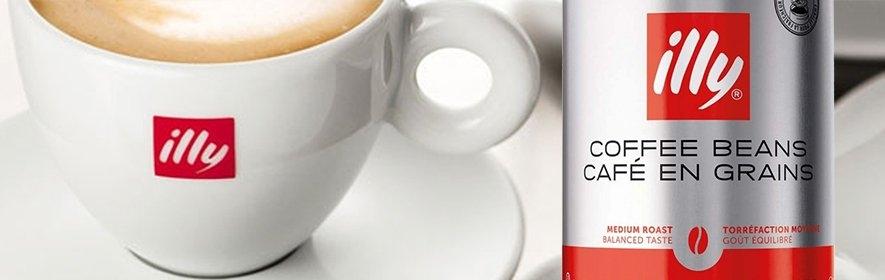
Buy illy espresso coffee beans online from 1st in Coffee. If you’re after italian coffee illy is a classic place to start, and it’s easy to dial in for an espresso machine for home.
illy espresso coffee is roasted in Trieste Italy by illy coffee makers. Considered the world's finest espresso coffee, illy is available for sale as whole bean coffee, fine grind, medium grind and convenient espresso machine pods. You can also buy illy coffee's new iPer, illy coffee espresso pods as well from illy coffee makers. illy is available in three roasts, medium, dark and decaffeinated and 1st in Coffee sells every variety of illy coffee.
In the cup, the signature nine bean blend is like a symphony — rich, full bodied, multi-faceted, yet subtle. The taste is velvety, sweet with delicately balancing floral and fruity notes as well as hints of caramel, toast and chocolate. This espresso coffee bean blend is naturally fragrant with the coffee's precious aromas of almond and honey.
is found in every cup of coffee they produce is defined by the signature nine-bean blend. Buy illy coffee that comes from only the highest order Arabica beans that are selected and purchased directly from farms. The illy whole bean espresso blend comes from nine different growing regions of the world. Each region unique conditions that give them all unique flavor profiles that comprise the illy Italian coffee taste.

Three Signature Illy Roast Variations
The singular blend of illy coffee comes in three different roast variations:
Normal Roast:
This is often called bean classico coffee, and many fans look for it as a classico medium roast. The Normal Roast variation is the quintessential illy coffee makers' blend, with a perfect balance of strength and smoothness. The roast has the distinct aromas of chocolate, toast, caramel, and light flowers, which results in a sweet, velvety, balanced coffee taste.
Dark Roast:
The Dark Roast coffee bean variation is going
Illy Coffee Makers - The World’s Finest Espresso
illy coffee makers are a world-renowned Italian coffee roasting company that specializes in espresso. Considered to be the world’s finest espresso coffee, the coffee produced by illy is rich and bold, but still has a velvety and smooth taste. illy coffee makers founded the company in 1933 by Francesco illy in Trieste, Italy. In 1935, he invented the first automatic coffee machine, substituting air for steam. This machine became the predecessor for today’s modern espresso machines. Today you can buy illy coffee, including illy espresso pods from 1st in Coffee.
The Art and Science Behind illy Coffee
To quote the company, “illy is where experience, taste, scientific curiosity, art and culture come together to create a multidimensional and multisensory pleasure in the cup.” The unmistakable illy coffee makers' taste that g to have a more robust and intense, balanced flavor to it over the uniform medium roast beans. The bright, rich, and energetic roast from illy coffee makers is marked with chocolate, toast, and caramel aromas. This rich coffee opens the minds and awakens the spirits, all while staying true to the expectation of those who buy illy coffee.
Decaffeinated Roast:
illy coffee makers' Decaffeinated variation has the same signature taste and aroma, minus the caffeine content. The decaffeination process involves first steaming the finest Arabica coffee beans for 30 minutes, and then a repeated rinse with a solvent, which is then drained away. The beans are steamed again for an additional 10 hours to remove any residue. The end product reflects the same taste, but with less than 0.05% caffeine, for those coffee lovers who don’t need the extra pick me up. If you want decaffeinated, then buy illy coffee.
Illy Coffee Formats - Beans, Ground, and Pods
Illy coffee comes in a few formats, so you can match it to your routine. Whole beans are a great choice if you like using a coffee grinder and dialing in flavor for your preferred brewing method. The illy medium grind is a bit coarser, which works well for drip coffee makers and French presses.
The fine grind variety is perfectly ground for espresso use. The illy medium grind is more coarsely ground for optimal extraction for drip coffee makers and French presses. illy coffee makers also offer convenient illy espresso pods, which are 7 grams of perfectly grounded, tamped coffee that is individually wrapped to protect it from oxidation and to ensure freshness every time.
Discover Illy Coffee at 1st in Coffee
If you are looking for the best in coffee and espresso, both in terms of taste and aroma, then buy illy coffee for its world famous and unmistakable characteristics. Illy makes it easy to rotate between a shot of espresso, cold brew, and everyday drip without losing that signature profile. Whether you like your coffee smooth, bold, or somewhere in the middle, Illy has an option that makes sense. At 1st in Coffee, we understand the importance of the right coffee blend to suit your personal taste. As illy coffee retailers we promise to help you find the best product from our wide selection of Illy espresso machine special offers. Call us today and let us help you discover the wonderful world of coffee and to learn more about illy coffee makers.